In the modern world, artificial intelligence is being actively introduced into various spheres of life, including science. For scientists, this is an opportunity to optimise individual processes in their work. How can AI tools be used without risking one’s reputation? We examine this in detail in our article.
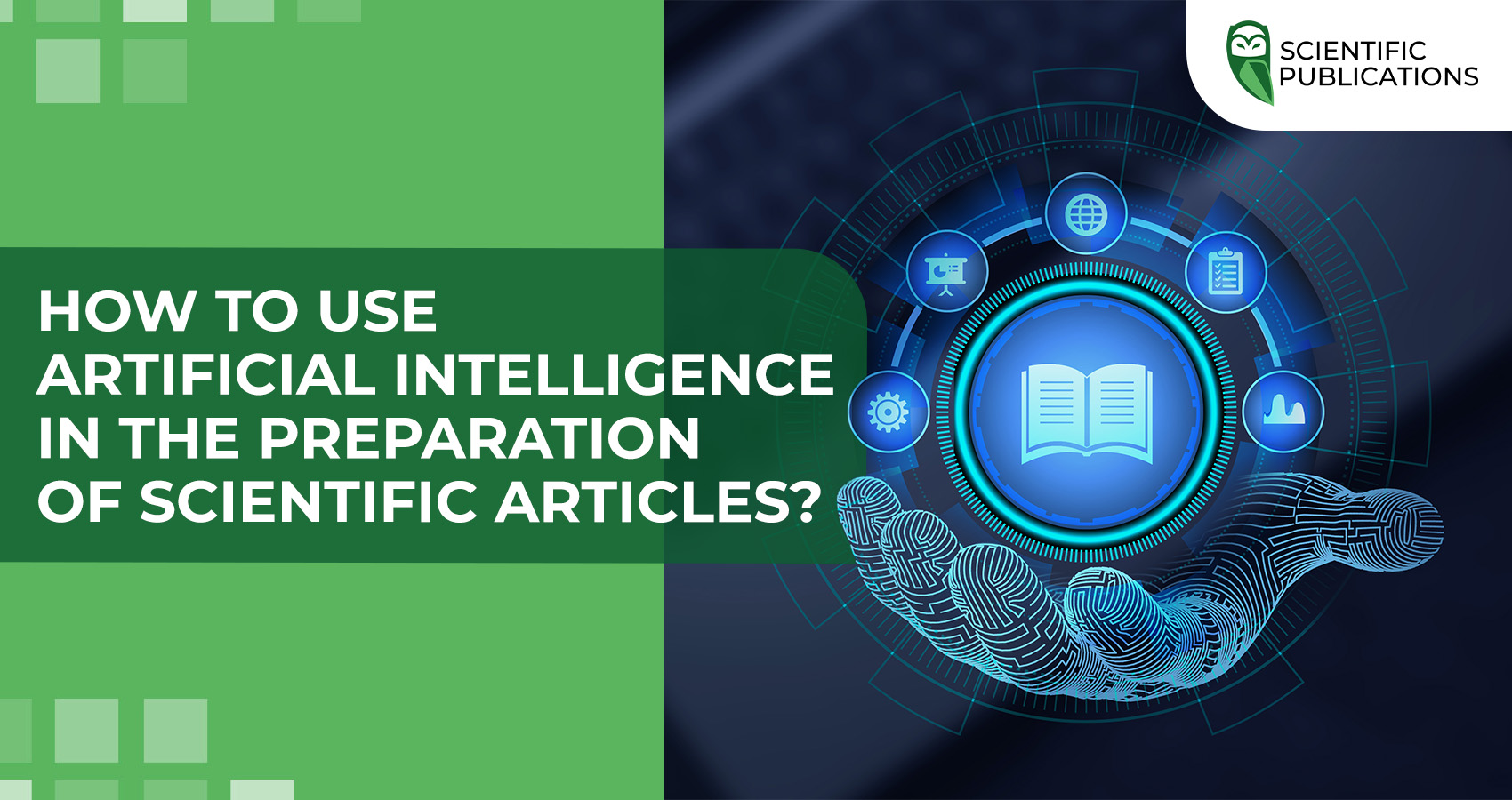
The capabilities of Artificial Intelligence
Before using modern technologies, it should be remembered that they do not replace the author, but are merely an auxiliary tool. In particular, AI can be useful in the following processes of preparing a scientific article:
- Literature search. Artificial intelligence can speed up this process. In particular, it helps to formulate search queries, group sources by topic and analyse previous studies. However, it is important to verify the information obtained, as AI may generate non-existent references or incorrectly convey the content of materials.
- Creating a plan. Artificial intelligence tools can be useful for planning an article. A scientist can use them to formulate the aim, objectives, research questions or hypotheses.
- Generating ideas. AI can be used to prepare preliminary versions of the title, abstract and keywords. However, the final wording must be checked by the author to ensure that it accurately corresponds to the content of the study.
- Text editing. Artificial intelligence is useful for identifying different types of errors, improving scientific style or providing academic translation of the text. At the same time, all changes must be checked by the author so that AI does not alter the content of the work.
- Initial article review. Before submitting the material to a journal, it can be checked using artificial intelligence tools. This will help correct unclear wording, logical inconsistencies, repetitions, overly long sentences or inconsistencies between the aim, results and conclusions.
What should be avoided when using AI?
Despite the opportunities and advantages of artificial intelligence, it should not replace the author. All statements, conclusions, sources and factual data must be checked independently. The scientist must take responsibility for the content of the work submitted to the journal.
If a researcher uses AI services when preparing a scientific article, they should avoid the following risky actions:
- Fabricating data. Artificial intelligence should not be used to generate non-existent results, statistical data, quotations, sources or conclusions. Such actions may be considered a violation of the principles of academic integrity and lead to negative consequences.
- Using unverified sources. As already noted, all information provided by AI must be verified. Particular attention should be paid to the accuracy of sources, namely authors’ names, journal titles, publication dates, DOI, etc. This is important because artificial intelligence tools can make mistakes and generate non-existent or inaccurate data.
- Breach of confidentiality. Research results, especially those that have not yet been published, may have scientific, commercial or reputational value. Before uploading text to an AI service, the author should familiarise themselves with the terms for processing and storing information. This will help prevent loss of control over the materials and protect personal data.
- Concealing borrowings. If the article uses materials authored by others, the source of information must be indicated. Artificial intelligence must not be used to conceal plagiarism, as this may negatively affect the researcher’s reputation.
- Improper attribution of authorship. It should be remembered that AI cannot be a co-author of a work, as it is not capable of taking responsibility for its content. Some journals may also require information about the involvement of artificial intelligence to be indicated. That is, the scientist must explain exactly how these technologies were used during the preparation of the work.
Artificial intelligence tools can open up many opportunities for preparing scientific articles. However, researchers should use them carefully, observing the principles of academic integrity and the requirements of the journal.
If you have encountered difficulties with publishing a scientific article, contact the company Scientific Publications. Our specialists will provide professional support and accompany you at all stages of the publication process. Leave a request on the website, and our manager will contact you shortly. Together towards successful publications!