Peer review is an important stage of the publication process, which takes place through an independent expert evaluation of the work. The main purpose of this process is to guarantee the quality and originality of research before its publication in journals. Read on to find out why researchers need peer review.
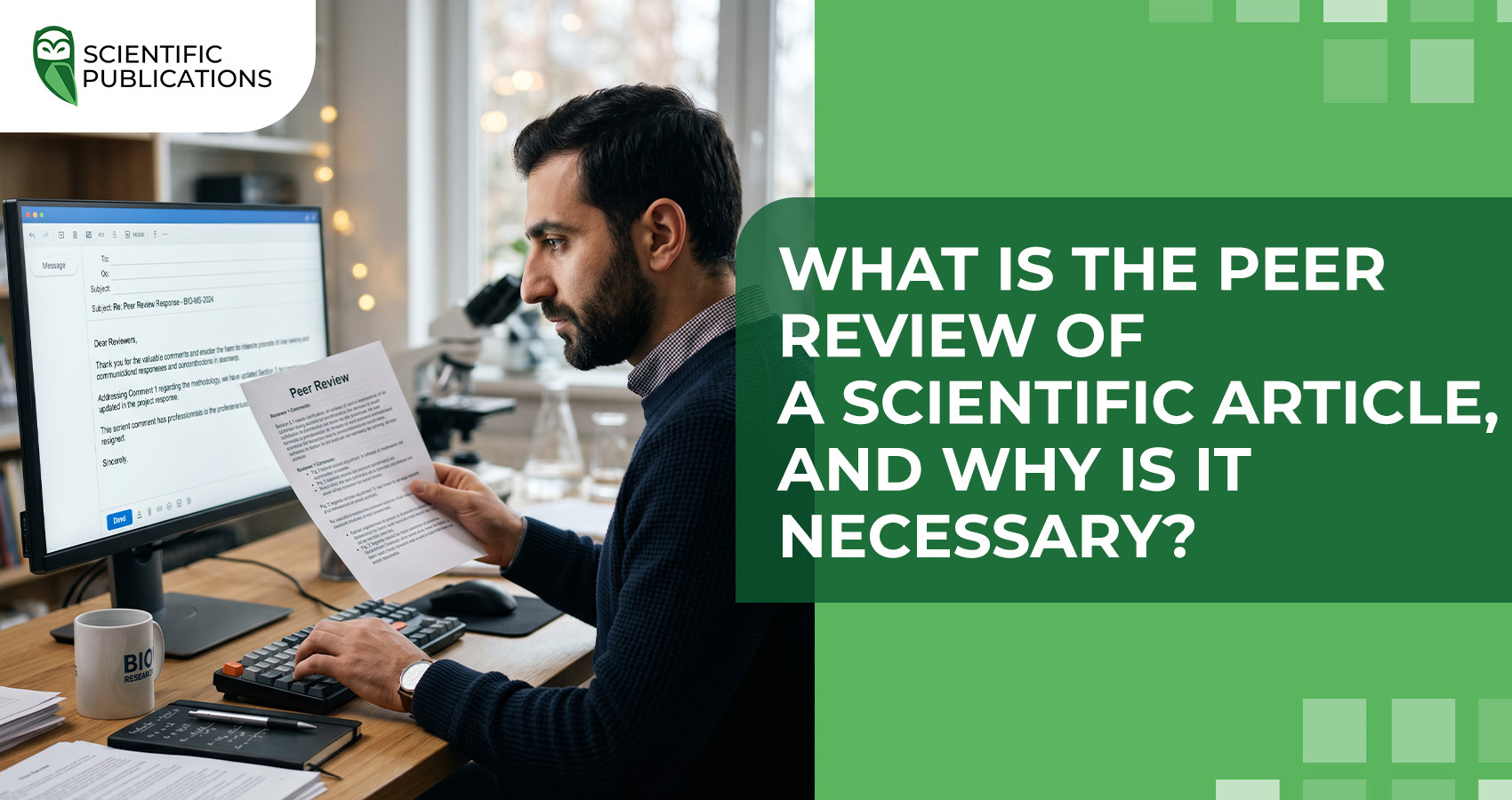
What is peer review of a scientific article?
Peer review is a process of independent expert evaluation of a scientific article, during which the reviewer provides constructive criticism and recommendations to the author of the work before its publication. As a result of this assessment, low-quality works that do not meet the requirements of a particular journal are rejected.
Main types of peer review:
- single-blind – one of the most common types of peer review, during which the expert knows the author’s name, but the researcher does not know who is evaluating their work
- double-blind – a type of review that involves maintaining the anonymity of both the author and the reviewer
- open peer review – peer review during which the names of the article’s author and the reviewer are not hidden
- transparent peer review – this type of peer review involves opening access to expert reviews and correspondence between the editorial office and the author to the general public
- collaborative review – this type of peer review takes place through the collective evaluation of several experts at once, who can discuss certain aspects of the research with each other
- post-publication review – this type of peer review differs from others in that the expert assessment process takes place after the article has already been published in the journal
How does the review process work?
Peer review of an article takes place after it has been written and after the initial check by the editorial office of the publication in which publication is planned. The procedure usually consists of the following steps:
- Submission of the article to the journal: the author sends the completed work to the editorial office of the publication.
- Appointment of reviewers: the journal editor selects 2-4 independent experts in the relevant scientific field and sends a request. If the reviewer agrees, they gain access to the research.
- Evaluation of the work: the reviewers carefully analyse the article and write a detailed review. In the review, experts usually assess the relevance of the research, methodology, academic integrity, structure and formatting of the text, and also indicate existing errors.
- Formation of conclusions and recommendations: each reviewer forms their objective assessment and, as a result, may recommend the article for publication, advise the author to make certain revisions, or reject it.
- Final decision: after receiving all reviews from the experts, the journal editor analyses the results and makes the final decision regarding publication.
It is worth noting that the timeframes for peer review of a scientific article may differ depending on the journal or the scientometric database in which it is included. Taking this into account, the process may last several months or a year and longer.
Why is peer review needed?
Peer review is one of the key tools that helps develop science. It is useful not only for researchers but also for publishers, as high peer review standards can influence the improvement of a journal’s reputation and authority in the scientific community.
Main advantages of peer review:
- quality assurance – peer review is an element of expert control in the scientific environment, which helps publications prevent low-quality or insufficiently substantiated research from being published
- expert opinion – reviewers’ feedback helps authors improve the article by taking all comments into account
- authority of the research – works that have successfully passed peer review have a higher level of trust among the scientific community
- chances of funding – the presence of positive reviews may increase the chances of receiving grants
Peer review is a process that helps the author receive expert opinion and recommendations on improving the article. This stage can take a lot of time, but it has its advantages, one of which is confirmation of the scientific quality of the research.
Have you encountered difficulties with peer review or the publication of a scientific article? Contact Scientific Publications. Our specialists will audit your work and accompany you at every stage of publication. To receive a free consultation, fill in the form below, and our manager will contact you shortly. Together towards successful publications!